
The QUANTUM framework for Developmental Supervision
Supervision as a developmental partnership rather than power-over management. Strengths-based, relational, and built for real conditions. Grounded in NASW Code of Ethics §3.01, §2.07, §3.09, §1.02, §1.05, §4.01 and 20 years of supervision consultation
5 CE Hours Supervision & Clinical Practice · 1 CE Ethic Hours · Full Day
Full attendance is required to receive CE credit. Partial credit is not available.
Certificates are approved and issued by the NASW/TX chapter and delivered by email within 6 weeks of completing the course evaluation.
Participants are asked to bring a current or representative supervisory scenario for the afternoon case consultation.
Communication is never neutral. How we listen, what we disclose, how we navigate disagreement, how we repair harm. Every one of these carries weight. The foundation of any strong professional relationship is trust, and is built or eroded with every conversation.
This training moves communication beyond a technical skill and treats it as a relational, justice-oriented practice, inseparable from cultural humility, power awareness, and the capacity to repair when things go wrong. It follows a three-part arc: building trust, navigating conflict, and repairing rupture.

Date
Saturday, December 19, 2026.
From 9 AM– 3:30 PM CT
Format
Live virtual (Zoom)
Length
Full day, including two 15-minute breaks [and a lunch break]
Price
$150
Why This Training
Most supervisors were never taught to supervise. They were promoted for being good practitioners and inherited a model built on oversight, compliance, and control — because that is the model the field handed down.
Supervision done well is something else: a developmental partnership that builds practitioner capability, protects clients, and strengthens the organization around it. The NASW Code of Ethics §3.01 treats supervision as an ethical responsibility, not an administrative task.
This full-day training offers a structured alternative. The QUANTUM Framework™ organizes seven domains of supervisory practice, each grounded in established research, into a single approach participants can apply the following week.
The Seven Domains
Quality Relationships & Psychological Safety
Predictability-based and vulnerability-based trust, emotional intelligence, and the conditions that make supervision safe enough to be useful.
Unleashing Potential & Growth Conditions
Adult learning theory, growth mindset, and experiential learning applied to supervisee development.
Authentic & Courageous Leadership
Vulnerability, values, and armor — including the armor of compliance and control that keeps supervision defensive.
Nurturing Intrinsic Motivation
Autonomy, competence, and relatedness as the drivers of sustained practitioner engagement.
Transformational Collaboration & Co-creation
Power-with, power-to, and power-within as alternatives to power-over.
Understanding Through Appreciative Inquiry
The 4-D Cycle — Discover, Dream, Design, Deliver — applied with supervises and with clients.
Mutual Accountability & Shared Ownership
Structured supervision rhythms, choice architecture, and the ethical line between nudging and manipulating.

Who is this for?
This training is built primarily for licensed social workers who supervise, and is equally relevant to psychologists, professional counselors, marriage and family therapists, and other helping professionals with supervisory or leadership responsibility.
Roles
Clinical supervisors
Board-approved supervisors
Program managers and team leads
Directors and executive leadership
Practitioners preparing to supervise
Organizations
Teams
Settings
Behavioral health
Health care
Addictions treatment
Child and family services
Nonprofit and community organizations
Managers
Directors
Leaders
What you will work on
Building psychological safety in supervision
Supporting supervisee growth and autonomy
Moving from oversight to development
Structuring accountability ethically
Drafting a personal supervision philosophy
Non-profit organizations
Community based groups
What You Will Learn
Learning objectives: Upon completion of this training, attendees will be able to:
1
2
3
4
Describe the seven domains of The QUANTUM Framework for Developmental Supervision and articulate how healthy supervisory relationships address NASW §3.01 (Supervision and Consultation) and APA Standards 2.05 and 7.06.
Describe strategies for building Quality Relationships and Psychological Safety (the Q domain) in supervision, applying Goleman's emotional intelligence framework and Edmondson's psychological safety research.
Identify the conditions for adult learning and apply the U — Unleashing Potential domain to supervisee development, integrating growth mindset (Dweck) and experiential learning (Kolb).
Apply the A — Authentic and Courageous Leadership domain in supervision, distinguishing power-over from value-aligned supervisory leadership using Brown’s research on vulnerability, armor, and values.
5
6
7
8
9
Apply Self-Determination Theory’s three needs (autonomy, competence, relatedness; Deci & Ryan, 2017) to nurture intrinsic motivation (the N domain) in supervisees, and describe the historical evolution of power-over supervisory management.
Apply Transformational Collaboration and the Appreciative Inquiry 4-D Cycle (Discover, Dream, Design, Deliver) to supervisory practice, in two directions — with supervisees and with clients under NASW §1.02 (Self-Determination).
Identify at least four behavioral economics phenomena relevant to supervision and apply choice architecture ethically, distinguishing supervisory nudging from manipulation under NASW §2.07.
Apply the full QUANTUM Framework to a real supervisory scenario through guided small-group case consultation, integrating all seven domains into a single practice response.
Evaluate their current supervisory practice against NASW §3.01, APA Standard 7.06, and the NASW/ASWB/CSWE/CSWA Best Practice Standards in Social Work Supervision (2013), and draft a personal supervision philosophy integrating The QUANTUM Framework and cultural humility (NASW §1.05).
How the Training Works
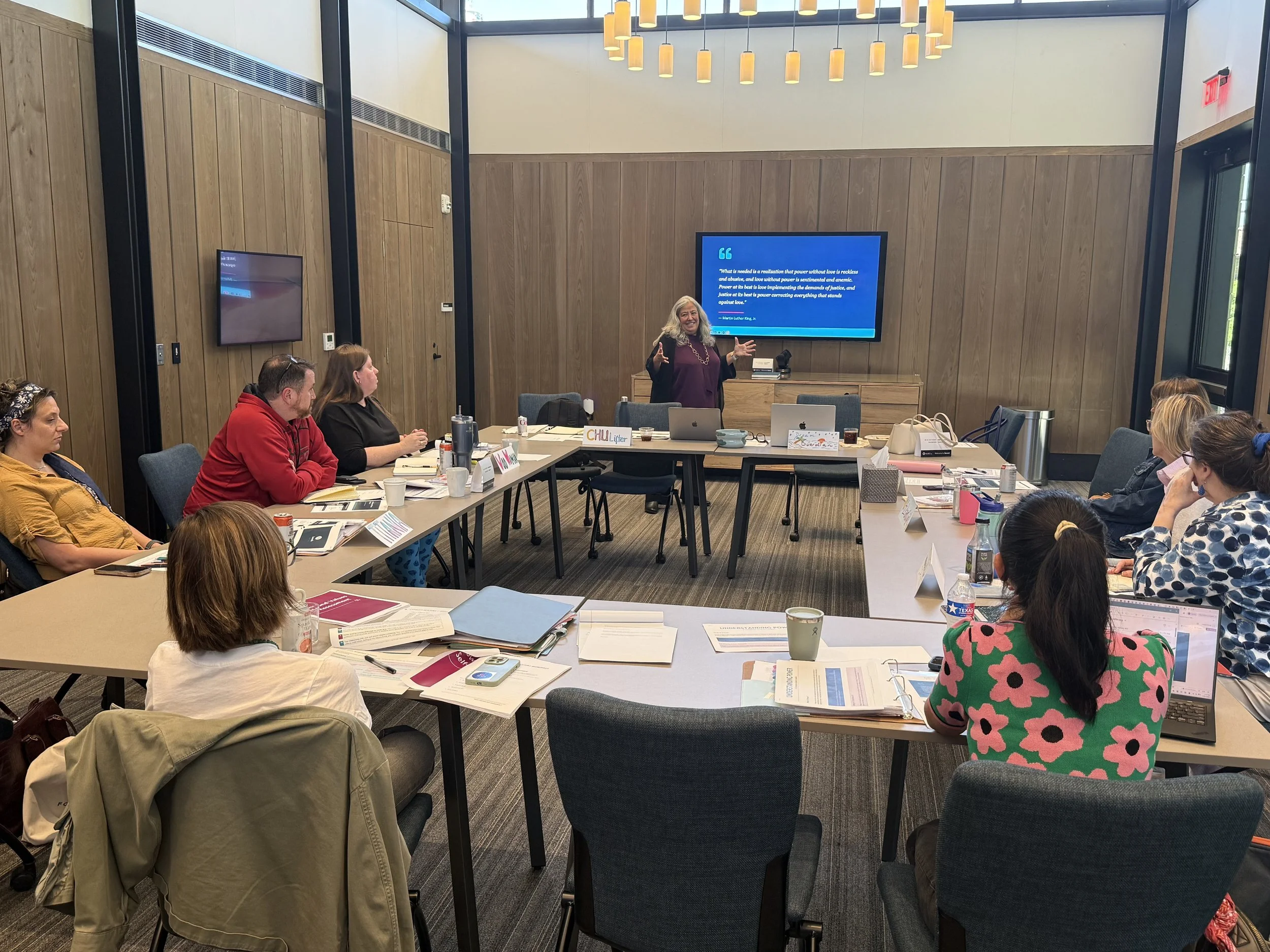
Six hours of instruction across a full day, delivered live virtual. Each domain pairs a research foundation with applied practice — reflective inventories, question-writing exercises, partner practice, and small-group case consultation using participants’ own supervisory scenarios. The day closes with each participant drafting a personal supervision philosophy.
Teaching Methods:
Lecture and case application
Small-group discussion and partner practice
Reflective inventory
Applied writing exercises
Small-group case consultation with large-group debrief


Research Based
The QUANTUM Framework™ integrates established research from across disciplines: Kadushin and Harkness on the administrative, educational, and supportive functions of social work supervision; Edmondson on psychological safety; Goleman on emotional intelligence; Dweck on growth mindset; Kolb on experiential learning; Fredrickson’s broaden-and-build theory; Brown on vulnerability and courageous leadership; Deci and Ryan’s Self-Determination Theory; Cooperrider’s Appreciative Inquiry; and the behavioral economics literature on choice architecture.
The ethical frame is drawn from NASW Code of Ethics §3.01, §1.02, §1.05, and §2.07, the APA Ethics Code, and the NASW/ASWB/CSWE/CSWA Best Practice Standards in Social Work Supervision (2013).
Program Information
Credited hours
6.0 CE Contact Hours. The two 15-minute and lunch break does not count toward the 6.0 CE hours.
CE category
Supervision + Clinical Practice (NASW); Ethics & Professional Practice (APA)
Provider Organization
Quantum Possibilities, LLC
NASW Code of Ethics Reference
§3.01, §2.07, §3.09, §1.02, §1.05, §4.01
Tuition
$150
Presenter

Martha Ramos-Duffer, Psy.D.
Founder & PresenterTexas-licensed psychologist and founder of Quantum Possibilities, LLC, with 22+ years of experience training clinicians and leaders in wellbeing, supervision, and organizational health.
Director
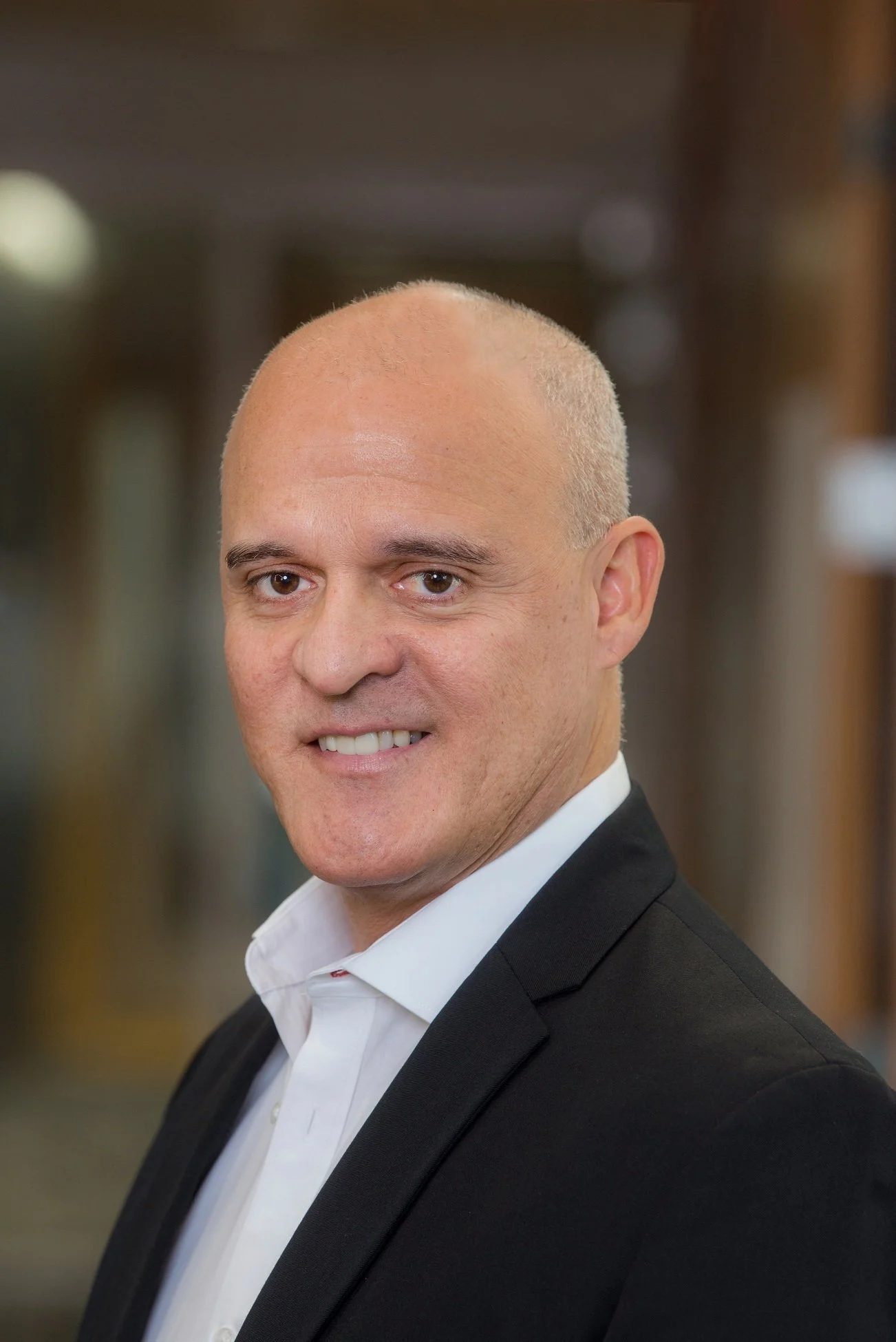
Licensed Master Social Worker and Director of The QUANTUM Institute, with 25+ years of experience in nonprofit leadership, curriculum design, and organizational transformation.
Director The Quantum Possibilities InstituteJesús Ortega, LMSW, MUP
Frequently Asked Questions
If you have more questions you can send us an email and we will get back to you in 24-48 hours.
-
Content level: [Beginner / Intermediate / Advanced]
This program is designed for licensed social workers (LMSW, LCSW) and is equally relevant to psychologists, licensed professional counselors, marriage and family therapists, and other helping professionals providing clinical services.
-
Full attendance for the entire 3-hour session is required to receive CE credit. Partial credit is not available. Participants must complete the course evaluation before a certificate is issued.
Certificates are approved and issued by NASW/TX and delivered by email within 6 weeks of NASW/TX's receipt of the completed evaluation.
-
Cancellations received at least 2 days before the session date receive a full refund.
Cancellations received fewer than 1 day before the session receive a credit toward a future training.
No-shows are not eligible for a refund.
If Quantum Possibilities cancels a session for any reason, participants receive a full refund or the option to transfer to a future date.
-
Participants with a concern about program content, delivery, facilities, or the handling of CE credit may submit it in writing to jesus@quantumpossibilities.com.
Grievances receive a written acknowledgment within 5 business days and a resolution within 30 calendar days of receipt.
Participants who are not satisfied with the outcome may contact the NASW/Texas Chapter directly.
-
Quantum Possibilities is committed to full accessibility. To request an accommodation — including closed captioning, materials in an alternate format, or other access needs — contact jesus@quantumpossibilities.com at least 7 business days before the session so we can make arrangements.
-
Martha Ramos-Duffer, Psy.D., is the founder of Quantum Possibilities, LLC and receives compensation for this training.
Jesús Ortega, LMSW, MUP, is Director of the Quantum Possibilities Institute and receives compensation for this training.
This program does not include discussion of commercial products or services. No commercial support was received for this program.
-
State and provincial regulatory boards have final authority over which courses are accepted for continuing education credit. Licensees are responsible for confirming that a course meets their own jurisdiction’s requirements.