
Transformative Communication: Building Trust, Navigation Conflict, and Repairing Rupture
Five core practices for trust-building communication, and a model for repair when things go sideways. Grounded in NASW Code of Ethics §1.01, §1.05, §1.07, §2.01, §2.03, §4.01
3 CE Hours. Ethics & Clinical Practice
Full attendance is required to receive CE credit. Partial credit is not available.
Certificates are approved and issued by NASW/TX and delivered by email within 6 weeks of NASW/TX's receipt of the completed evaluation.
Communication is never neutral. How we listen, what we disclose, how we navigate disagreement, how we repair harm. Every one of these carries weight. The foundation of any strong professional relationship is trust, and is built or eroded with every conversation.
This training moves communication beyond a technical skill and treats it as a relational, justice-oriented practice, inseparable from cultural humility, power awareness, and the capacity to repair when things go wrong. It follows a three-part arc: building trust, navigating conflict, and repairing rupture.

Date
Friday, November 20, 2026
From: 10:00 AM – 1:15 PM CT
Format
Live virtual (Zoom)
Length
3 hours and 15 minutes, including one 15-minute break
Price
$75
Why This Training
Every professional conversation — with clients, with colleagues, with supervisees — carries ethical weight. The NASW Code of Ethics governs how we communicate as directly as it governs what we do. Yet communication is still treated as a soft skill, something practitioners are expected to have rather than something the field teaches.
This training treats communication as an ethical practice with a teachable structure. Participants work with a framework for intentional, ethically grounded communication, examine how cultural identity and institutional power shape every exchange, and practice a concrete model for repair when a conversation causes harm.
Who is this for?
This training is built primarily for licensed social workers, and it's equally relevant to psychologists, professional counselors, marriage and family therapists, and other helping professionals providing clinical service to people who have experienced trauma.
Practice settings
Behavioral health
Health care
Addictions treatment
Community services and resource development
Educational services
Organizations
Teams
Roles
Direct clinical practice
Case management
Supervision and administration
Team leadership
Policy and planning
Managers
Directors
Leaders
Where this applies
The therapeutic alliance
Collegial and team relationships
Supervisory conversations
Cross-cultural practice
Conflict and repair after harm
Non-profit organizations
Community based groups
What You Will Learn
Learning Objectives: Upon completion of this training, attendees will be able to:
1
2
3
4
Identify the provisions of the NASW Code of Ethics (§1.01, §1.05, §1.07, §2.01, §2.03, §4.01) and the APA Ethics Code (Standards 3.04, 3.10, 4.01; Principles B and E) that establish ethical standards for communication in clinical practice with clients and in professional practice with colleagues and supervisees.
Apply the QP Ethical Communication Framework — Cultivating Intentionality and the Five Qualities (accurate, inclusive, emotionally intelligent, generative, respectful) — including the distinction between self-regulation as the integration of emotional information versus the suppression of emotional response, in both clinical communication with clients and professional communication with colleagues.
Analyze how cultural identity, power dynamics, and institutional context shape the ethical dimensions of professional communication, applying NASW §1.05 (Cultural Competence) and Hicks's Multicultural Communications Competencies.
Demonstrate the QP Five Core Practices of Ethical Communication — generative listening, calling in, direct ethical communication, generative conflict, and the QP Relational Repair model — in both therapeutic alliance contexts (Safran & Muran) and collegial relationships.
How the Training Works
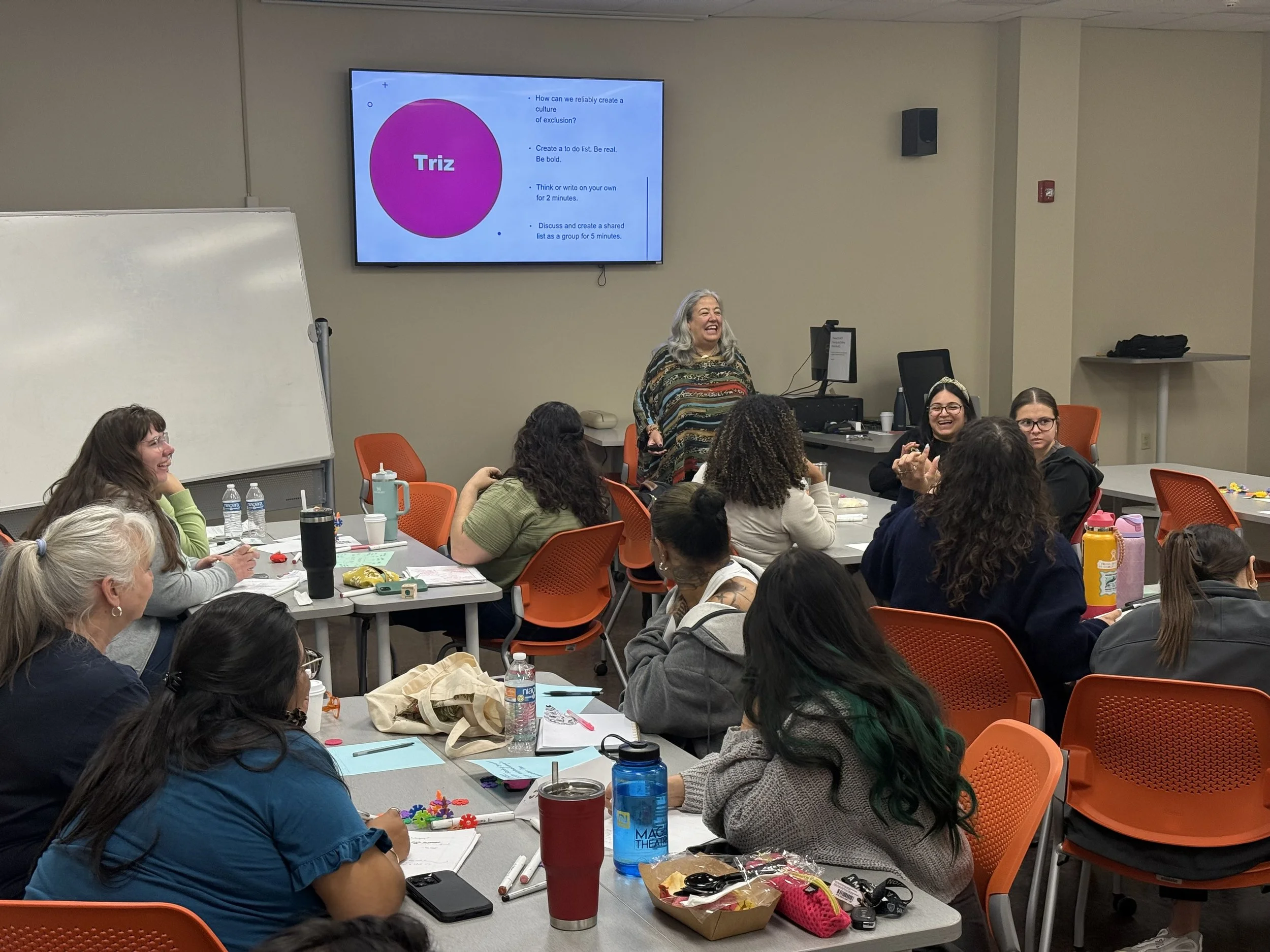
Three hours of instruction plus one 15-minute break, delivered live virtually and built around case application, guided practice, and role-play, and didactic lecturing. Participants practice in dyads and small groups and leave with a structured repair model they can use immediately.
Teaching Methods:
Lecture and case study
Small-group dialogue
Experiential practice
Role-play and debrief


Research Based
This course draws on the research base for therapeutic alliance rupture and repair, including Safran and Muran’s work on alliance ruptures, alongside Zak’s research on high-trust workplaces and Mark Hicks’s Multicultural Communications Competencies. The ethical frame is drawn directly from the NASW Code of Ethics and the APA Ethics Code.
The QP Ethical Communication Framework and the QP Relational Repair Model, developed by Quantum Possibilities, bring this research into a practical structure participants can carry back into daily practice.
Program Information
Credited hours
3.0 CE Contact Hours. The 15-minute break does not count toward the 3.0 CE hours.
CE category
Ethics + Clinical Practice
Provider Organization
Quantum Possibilities, LLC
NASW Code of Ethics Reference
§1.01, §1.05, §1.07, §2.01, §2.03, §4.01
Tuition
$75
Presenter
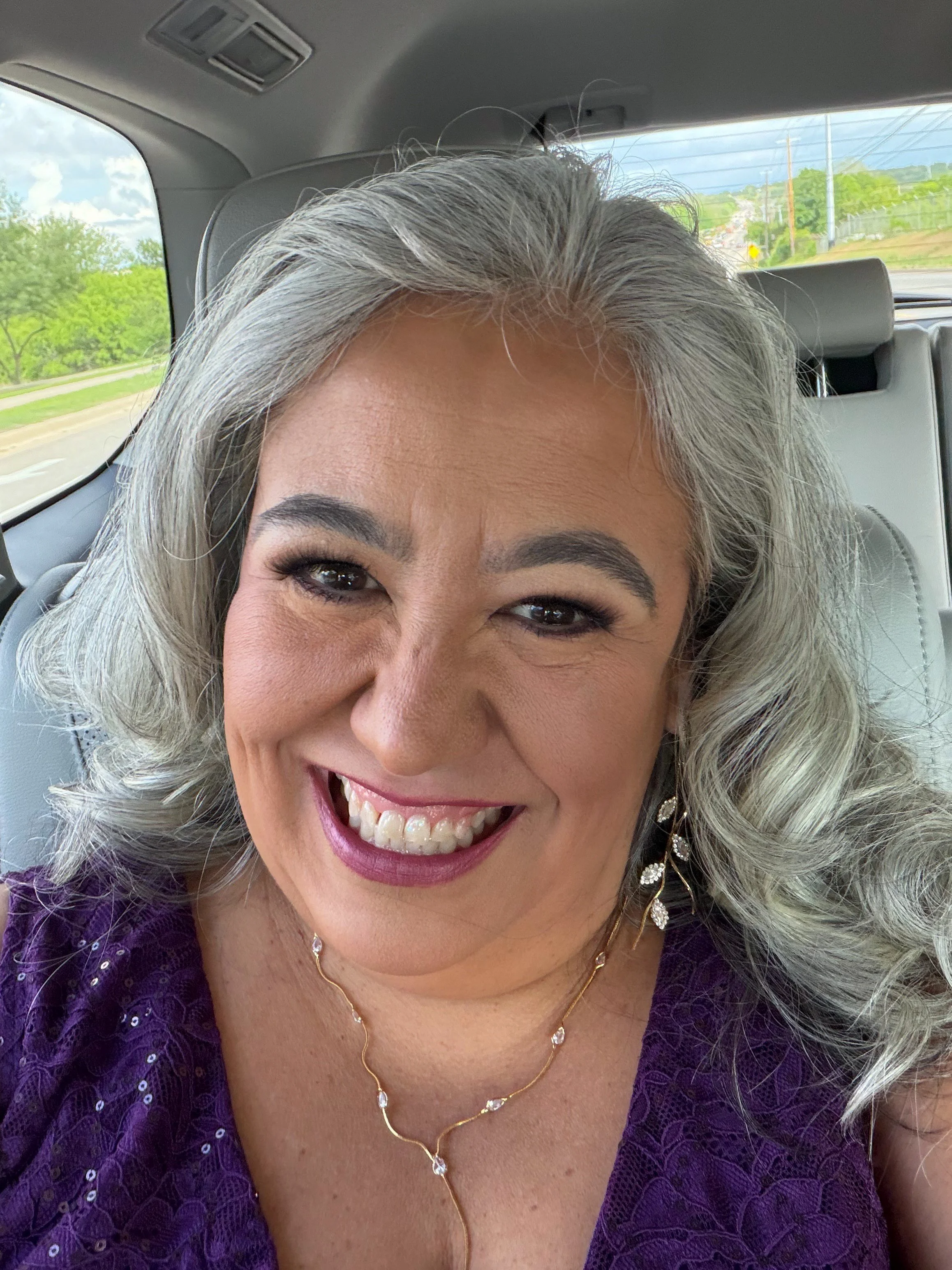
Martha Ramos-Duffer, Psy.D.
Founder & PresenterTexas-licensed psychologist and founder of Quantum Possibilities, LLC, with 22+ years of experience training clinicians and leaders in wellbeing, supervision, and organizational health.
Director
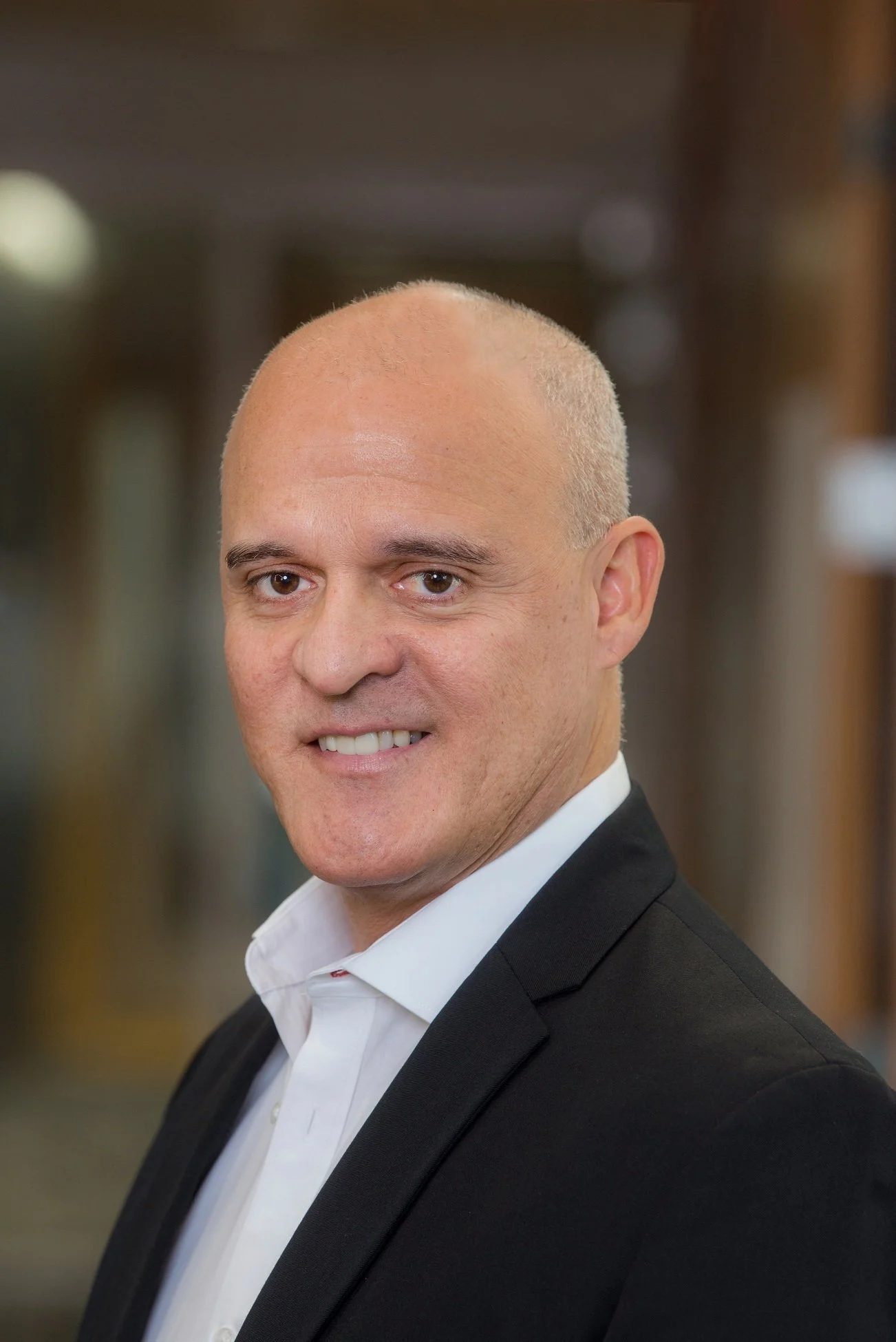
Director The Quantum Possibilities InstituteJesús Ortega, LMSW, MUP
Licensed Master Social Worker and Director of The QUANTUM Institute, with 25+ years of experience in nonprofit leadership, curriculum design, and organizational transformation.
Frequently Asked Questions
If you have more questions you can send us an email and we will get back to you in 24-48 hours.
-
Content level: [Beginner / Intermediate / Advanced]
This program is designed for licensed social workers (LMSW, LCSW) and is equally relevant to psychologists, licensed professional counselors, marriage and family therapists, and other helping professionals providing clinical services.
-
Full attendance for the entire 3-hour session is required to receive CE credit. Partial credit is not available. Participants must complete the course evaluation before a certificate is issued.
Certificates are approved and issued by NASW/TX and delivered by email within 6 weeks of NASW/TX's receipt of the completed evaluation.
-
Cancellations received at least 2 days before the session date receive a full refund.
Cancellations received fewer than 1 day before the session receive a credit toward a future training.
No-shows are not eligible for a refund.
If Quantum Possibilities cancels a session for any reason, participants receive a full refund or the option to transfer to a future date.
-
Participants with a concern about program content, delivery, facilities, or the handling of CE credit may submit it in writing to jesus@quantumpossibilities.com.
Grievances receive a written acknowledgment within 5 business days and a resolution within 30 calendar days of receipt.
Participants who are not satisfied with the outcome may contact the NASW/Texas Chapter directly.
-
Quantum Possibilities is committed to full accessibility. To request an accommodation — including closed captioning, materials in an alternate format, or other access needs — contact jesus@quantumpossibilities.com at least 7 business days before the session so we can make arrangements.
-
Martha Ramos-Duffer, Psy.D., is the founder of Quantum Possibilities, LLC and receives compensation for this training.
Jesús Ortega, LMSW, MUP, is Director of the Quantum Possibilities Institute and receives compensation for this training.
This program does not include discussion of commercial products or services. No commercial support was received for this program.
-
State and provincial regulatory boards have final authority over which courses are accepted for continuing education credit. Licensees are responsible for confirming that a course meets their own jurisdiction’s requirements.