

When the Work Impacts You
Sustainable strategies for staying integrated, present, aware, well, and ethically sound in demanding helping work.
Grounded in the NASW and APA Codes of Ethics.
3 CE Hours. Ethics & Clinical Practice
Helping work, including clinical practice, supervision, leadership, advocacy, and crisis response, places sustained demands on the practitioner. Over time, it affects judgment, presence, and the capacity to stay regulated with clients. The field continues to struggle with normalized exhaustion and cultures that reward overextension at the expense of the people doing the work.
This training treats practitioner sustainment as a professional practice and as part of client care. When the work affects the helper, the question becomes how self-stewardship is practiced under the actual conditions of the job, and how that stewardship is visible in clinical work with clients as well as outside of it.

Date
Friday, November 13, 2026.
Time:
10:00 AM -
1:15 PM CT
Format
Live virtual (Zoom)
Length
3 hours
3 CE ethics hours
Tuition
$75
Full attendance is required to receive certificates.
CE credit certificates are approved and issued by the NASW/TX chapter and delivered by email within 6 weeks after receiving the course evaluation.

Helping work places sustained demands on a practitioner's nervous system and judgment. Over time, vicarious trauma, secondary traumatic stress, empathic distress, and burnout affect how clinicians think and how they are present with clients. The NASW Code of Ethics and the APA Code of Ethics treat this as an ethical matter: NASW §4.05 requires social workers to address personal difficulties that interfere with professional judgment and client welfare. APA Ethics Code (Standard 2.06; Principles A and B) require psychologists to ensure their capacity to practice. Sustained functioning is part of competent practice.
Participants learn to distinguish the four conditions that erode professional functioning and to understand the physiology of presence through polyvagal theory. They practice self-regulation as the integration of experience, distinguishing it from the suppression or control of emotional response. Each skill applies to the practitioner's own sustainability and to clinical work with trauma-exposed clients. Participants leave with a personal sustainment plan built on the QP Sustaining Strategies framework.
Why this training?
Who is this for?
This training is built for licensed social workers, psychologists, professional counselors, marriage and family therapists, and other helping professionals providing clinical service to people who have experienced loss, trauma, and other life challenges.
Practice settings
Behavioral health
Health care
Addiction treatment
Community services and resource development
Educational services
Long-term care & aging services
Criminal justice
Roles
Case management
Counseling and therapy
Supervision and administration
Policy and planning
Research
Managers
Directors
Leaders
What You Will Learn:
Learning Objectives: Upon completion of this training, attendees will be able to:
Identify the provisions of the NASW Code of Ethics (§4.05, §2.09, §1.01) and the APA Ethics Code (Standard 2.06; Principles A and B) that establish the ethical obligation of sustained professional functioning, and describe how impairment compromises clinical judgment and client welfare.
1
Distinguish among vicarious trauma (McCann & Pearlman, 1990), secondary traumatic stress as operationalized in social work research by Bride et al. (2004) and the STSS, empathic distress (Klimecki & Singer, 2014), and burnout (Maslach & Leiter, 2016) as clinically distinct phenomena affecting professional practice and ethical decision-making.
2
Apply polyvagal theory (Porges, 2011) and therapeutic presence as both an ethical practitioner stance under §1.01 and as a clinical skill that strengthens the therapeutic alliance with trauma-exposed clients, distinguishing self-regulation as the integration and metabolizing of experience from suppression or control of emotional response.
3
Construct a personal sustainment plan grounded in the NASW §4.05 and APA Standard 2.06 using the QP Sustaining Strategies framework — future-self connection (Hershfield et al., 2011), authentic engagement (Brown, 2018), and self-compassion (Neff, 2023).
4
How the Training Works
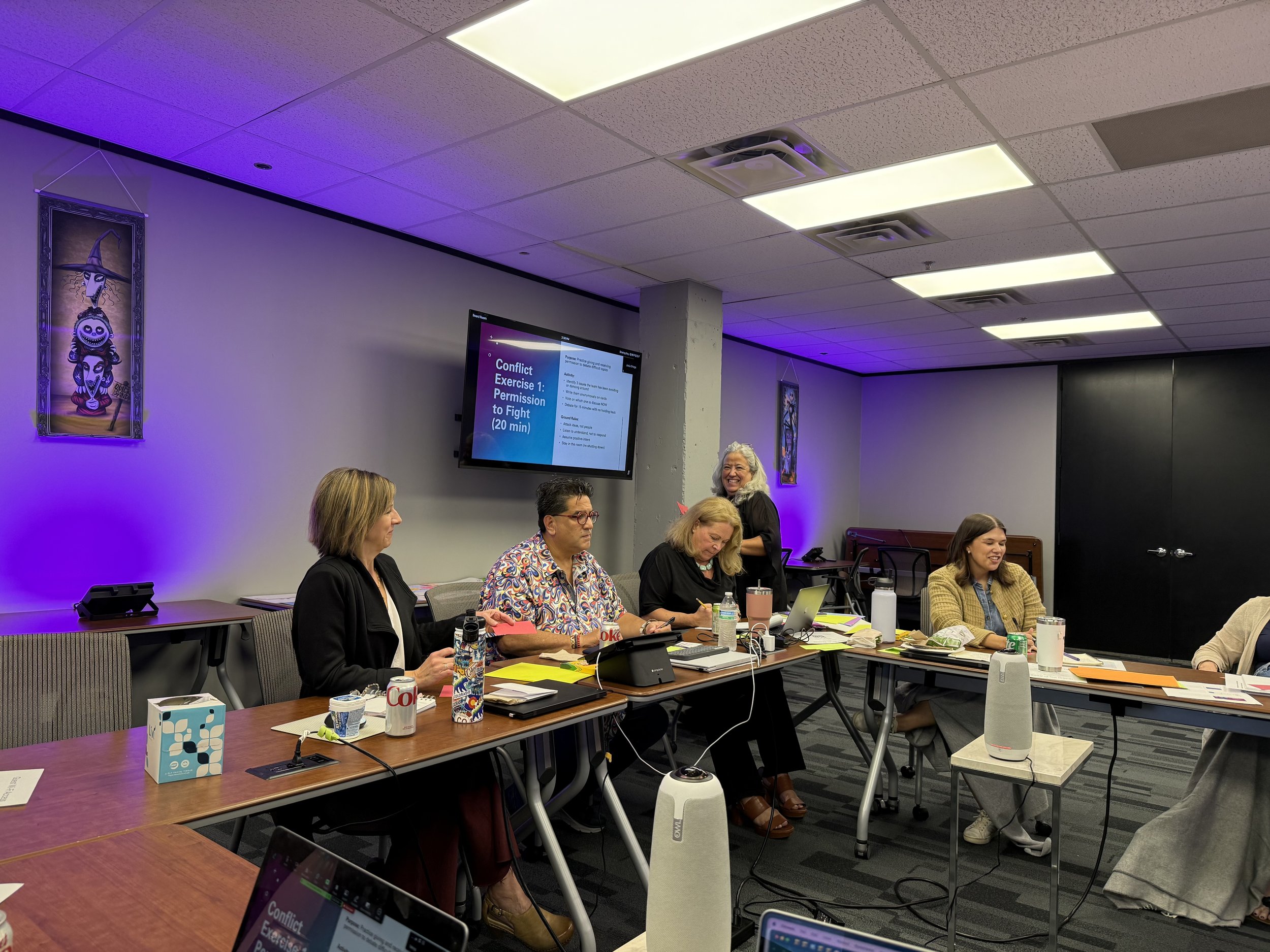
Three hours of instruction plus one 15-minute break, delivered live virtually. The session combines lecture with group discussion, guided practice, and applied experience.
Teaching Methods:
Didactic instruction
Group discussion
Experiential Activities
Application Opportunities


Research Based
This course draws on the social work research base on secondary traumatic stress, including the work of Bride and colleagues, alongside polyvagal theory (Porges) and the research on empathic distress and compassion (Klimecki & Singer). Differentiation — the capacity to stay present to another's suffering without merging with it — sits at the center of the training as a learnable, teachable skill.
The QP Wellbeing and Sustaining Strategies framework brings this research into a practical structure participants can carry back into daily practice.
Program Information
3.0 CE Contact Hours. The 15-minute break does not count toward the 3.0 CE hours.
Credited hours
CE category
Ethics + Clinical Practice
Provider Organization
Quantum Possibilities, LLC
The NASW and APA Code of Ethics Reference
NASW: §4.05, §2.09, §1.01 / APA Standard 2.06; Principles A and B
Tuition
$75
This workshop has been approved for continuing education credit for Social Workers, LPCs, and LMFTs by the Texas Chapter of the National Association of Social Workers.
State and provincial regulatory boards have final authority over which courses are accepted for continuing education credit. Licensees are responsible for confirming that a course meets their own jurisdiction’s requirements.
Full attendance is required to receive CE credit. Partial credit is not available.
Faculty
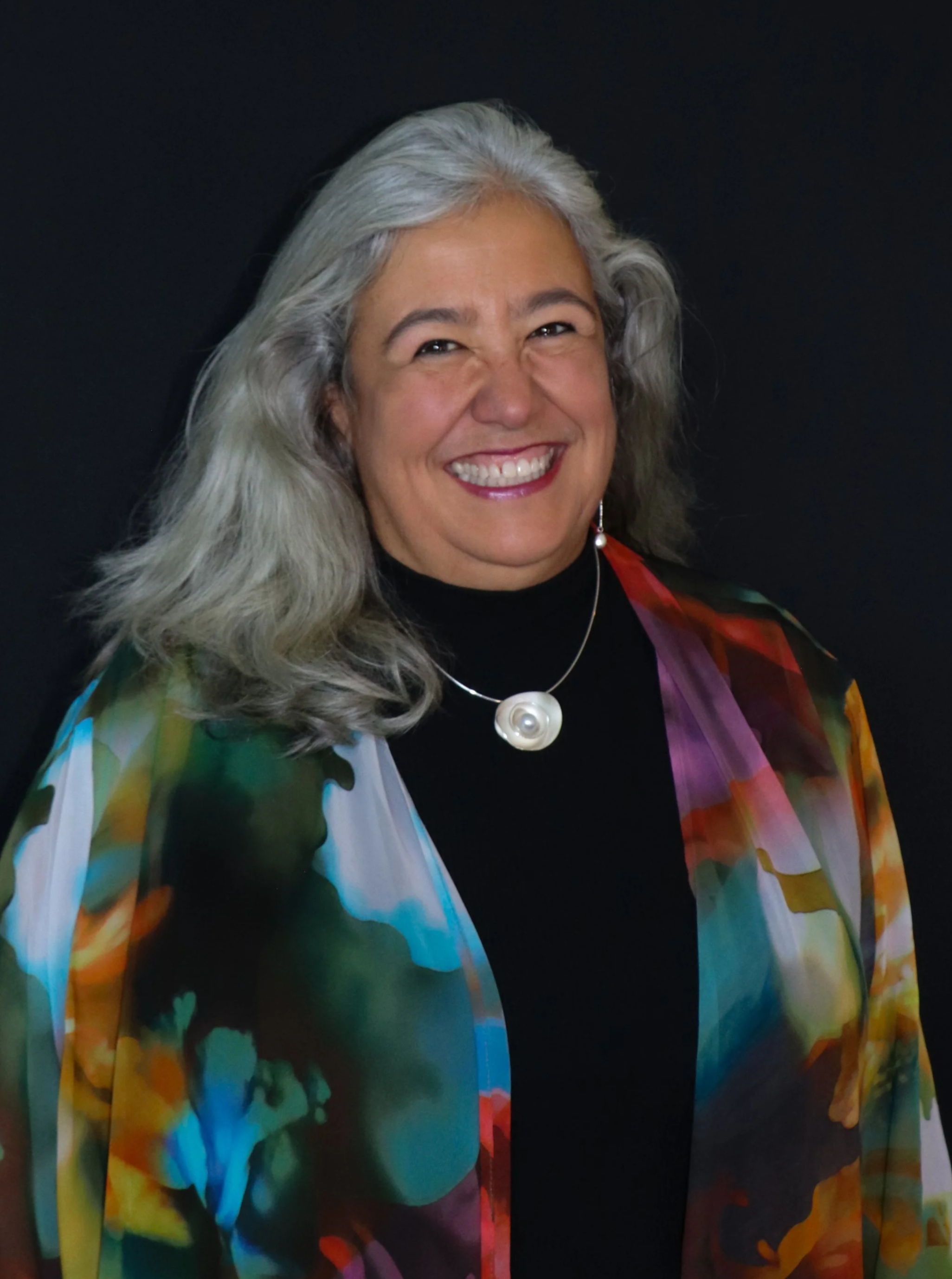
Martha Ramos-Duffer, Psy.D.
Founder & PresenterTexas-licensed psychologist and founder of Quantum Possibilities, LLC, with 22+ years of experience training clinicians and leaders in wellbeing, supervision, and organizational health.
Director
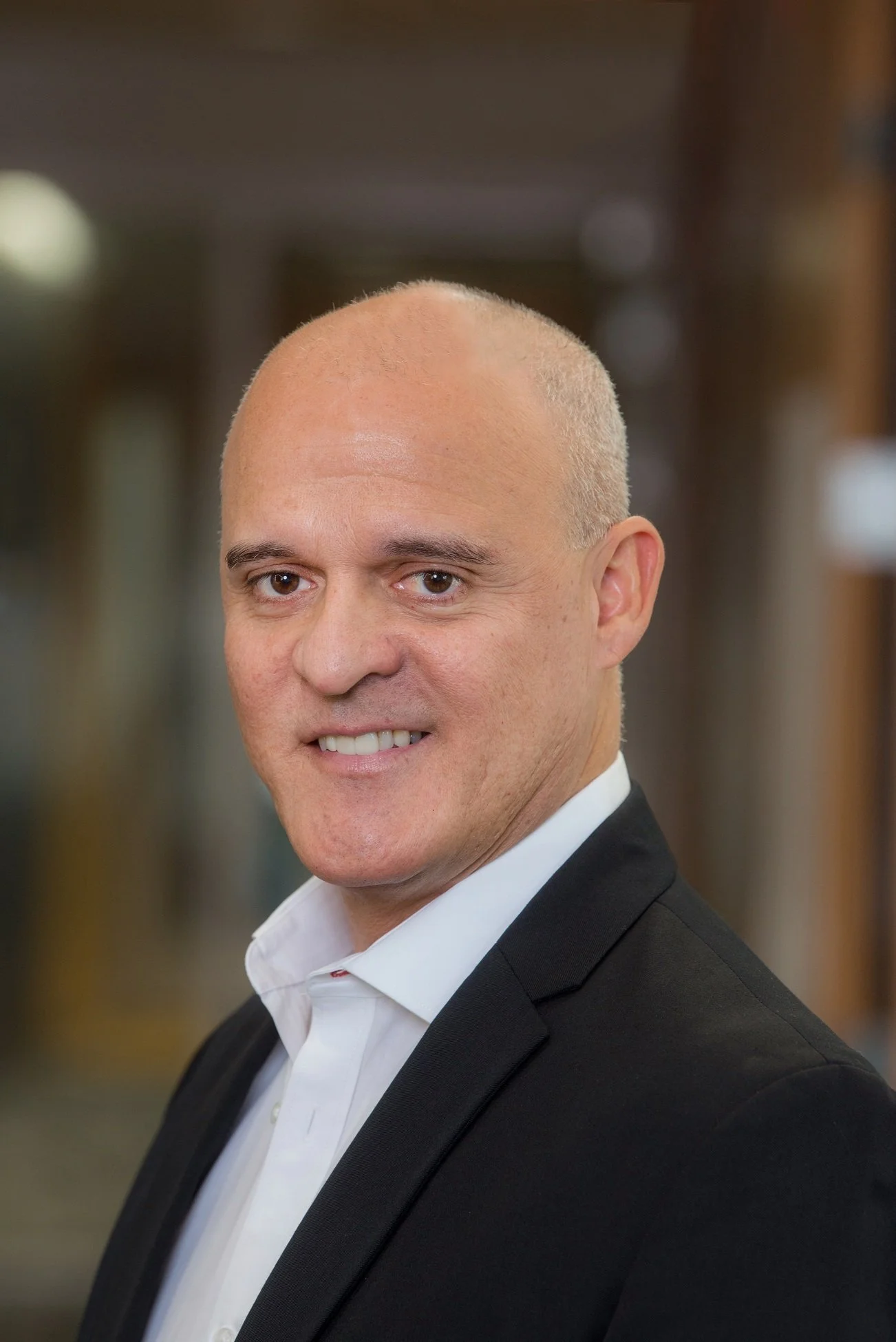
Jesús Ortega, LMSW, MUP
Licensed Master Social Worker and Director of The QUANTUM Institute, with 25+ years of experience in nonprofit leadership, curriculum design, and organizational transformation.
Director The Quantum Possibilities InstituteFrequently Asked Questions
If you have more questions, please send us a message.
-
This program is designed for licensed social workers (LMSW, LCSW) and is equally relevant to psychologists, licensed professional counselors, marriage and family therapists, and other helping professionals providing clinical services.
-
Full attendance for the entire 3-hour session is required to receive CE credit. Partial credit is not available. Participants must complete the course evaluation before a certificate is issued.
Certificates are approved and issued by NASW/TX and delivered by email within 6 weeks of NASW/TX's receipt of the completed evaluation.
-
Cancellations received at least 48 hours before the session date receive a full refund.
Cancellations received less than 48 hours before the session receive a credit toward a future training.
No-shows are not eligible for a refund.
If Quantum Possibilities cancels a session for any reason, participants receive a full refund or the option to transfer to a future date.
-
Participants with a concern about program content, delivery, facilities, or the handling of CE credit may submit it in writing to jesus@quantumpossibilities.com.
Grievances receive a written acknowledgment within 5 business days and a resolution within 30 calendar days of receipt.
Participants who are not satisfied with the outcome may contact the NASW/Texas Chapter directly.
-
Quantum Possibilities is committed to full accessibility. To request an accommodation — including closed captioning, materials in an alternate format, or other access needs — contact jesus@quantumpossibilities.com at least 7 business days before the session so we can make arrangements.
-
Martha Ramos-Duffer, Psy.D., is the founder of Quantum Possibilities, LLC and receives compensation for this training.
Jesús Ortega, LMSW, MUP, is Director of the Quantum Possibilities Institute and receives compensation for this training.
This program does not include discussion of commercial products or services. No commercial support was received for this program.
-
State and provincial regulatory boards have final authority over which courses are accepted for continuing education credit. Licensees are responsible for confirming that a course meets their own jurisdiction’s requirements.